Notes from our publishing house on the stories we tell and the work behind them.
Founder’s essay
The Heart of a Creator, the Tears of a Writer
By Levon Booker
A finished book can make the work look orderly. You see a cover, a title and chapters that seem to belong together. From the writer’s side of the desk, there are paragraphs that take a week to get right and scenes you keep revising because you know what they should make a reader feel, but the feeling still isn’t on the page.
Screenwriting came naturally to me. Learning to write novels asked something different of me. On a script page, a character can stop at a doorway and an actor can give that pause meaning. In a novel, I have to decide what the reader notices, how long the moment lasts and how much of the character’s thinking belongs on the page. That shift taught me how much there is to learn even when the story itself feels familiar.
Making room for the work and the people
Writing asks for stretches of attention, and those hours come out of a life already full of work, relationships and responsibilities. A person close to you may want you to finish the book and still need you to be present at dinner. A deadline can matter deeply to you while the person beside you is thinking about the conversation you said you’d have yesterday. Both concerns deserve a hearing.
“I need to finish this scene” is information. “I need an hour, and then I’ll put the work down” gives someone a way to plan with you. The second sentence also asks something of the writer: when the hour is up, close the document. There will usually be another sentence to fix.
What the tears can tell us
Sometimes the difficult part is the work itself. You cut a scene you once loved. A reader misses the feeling you thought you had put plainly on the page. You send out a piece and hear very little back. Those moments can sting because the work carries so much of your attention and hope.
When a scene feels flat, a smaller question helps me get back to the work: What does this person want, and what are they afraid to say? A question like that gives me something I can test in the next draft. It also brings me back to what drew me to writing in the first place: the chance to understand how people respond when life asks more of them than they expected.
That is part of what I want Bookervile’s stories to offer. I want readers to enjoy the suspense and turn the page. I also want them to recognize something in how a character faces a hard choice, so that the story stays with them when they face a choice of their own.
For those of you building something that takes years: what has helped you make room for the work while staying present for the people you love?
Behind the story · Balling for Freedom
The Detail That Makes a Character Real
By Levon Booker
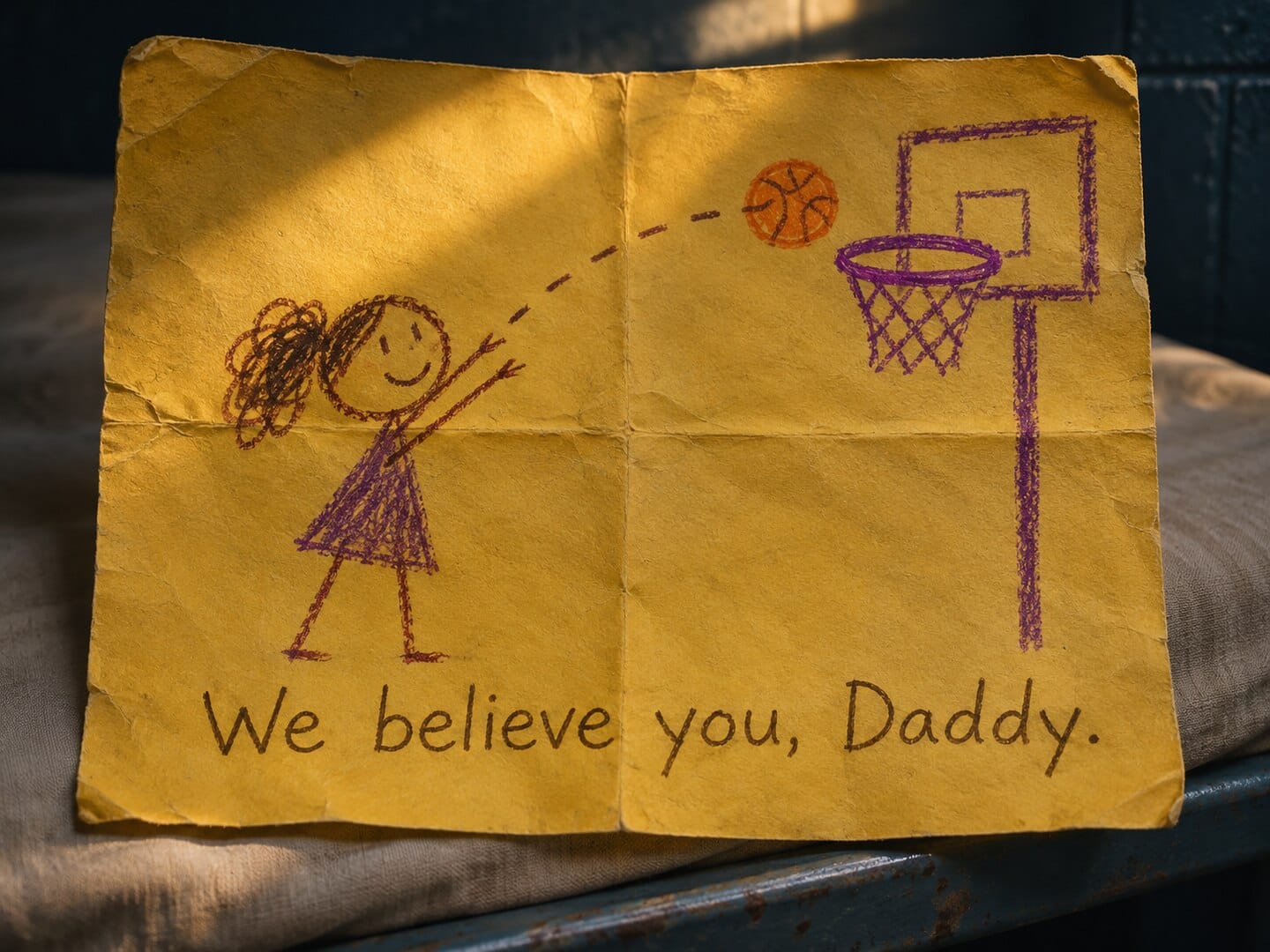
In the prologue to Balling for Freedom, Derek Matthews is serving twenty-five years for a shot he never fired. Under his prison mattress is a drawing from his six-year-old daughter, Soraya. She drew a figure shooting a basketball into a purple hoop.
That drawing carries a lot of the scene for me. Soraya knows her dad as someone who plays basketball. In Stonewater, the guard knows which cell he’s in. I wanted the reader to meet the man both of them see.
When I’m writing a character under pressure, I look for one ordinary thing they would go out of their way to keep. It can tell me who they’re trying to remain, even when everyone around them has decided who they are.
What small detail made a fictional character feel real to you?
Sometimes the part of a book that stays with you is a small moment. A character finally says what they’ve been holding back. Someone who’s spent the whole story trying to get out turns around to help another person. Days later, you’re still wondering whether you’d have done the same.
At Bookervile, our mission is to publish stories that entertain readers and strengthen the human spirit. For us, that begins with giving readers a story they want to keep reading. Suspense should make you turn the page. A setback should make you feel what it cost. When a character finds the courage to try again, you should understand why trying again is hard.
Fiction gives us room to sit with a choice before we have to make one ourselves. It can make us curious about someone whose life looks nothing like ours. It can also put words to something we’ve felt for years.
What a reader carries away will be personal. Our responsibility is to write and publish stories honest enough to give them something worth carrying.
Our philosophy
Character Comes First
In Becoming Kairo, a fighter can prepare for the next round. The harder work begins when there’s no bell to tell him what to do next. That’s where a story starts to feel real to us at Bookervile.
We publish across genres, from the national threat in Premonition: Shadows of Destruction to the prison drama of Balling for Freedom. Each world asks something different of its characters. What draws us in is the moment a person has to choose between what feels safe and what they believe is right. Sometimes they choose badly. Sometimes they surprise themselves. Either way, the choice has to cost them something.
That philosophy shapes the way we develop our books. When a scene feels flat, we ask what the character wants, what they’re afraid to lose, and what they’re willing to risk. A chase can be thrilling on its own. It becomes personal when you know who’s waiting for that character to come home.
Readers may come to Bookervile for suspense, a fight, or a world they’ve never entered before. We want them to leave remembering someone.
Our vision
What We’re Building at Bookervile
A reader might discover Bookervile through a suspense novel and come back months later for a boxing drama. We want both books to feel at home here. The worlds can be different. The care that goes into bringing them to readers should feel familiar.
We’re building an independent publishing house with a catalog readers can explore over time. We give each book its own identity and make it easy for readers to discover it, choose an edition, and get to the first chapter.
We also want readers to have somewhere to go when the last page leaves them curious. The Premonition Character Journal is one example. Readers can spend more time with Samira and the burden of seeing what’s ahead, or with Lila and the courage it takes to act while you’re still afraid. The spotlights give those questions room to breathe beyond the pace of the novel.
Over time, we want Bookervile to become a place readers return to because they remember how a story made them feel and trust us to give the next one the same care.